Building Scalable Agentic AI Platforms: A Technical Deep Dive - Part 2
A technical deep dive into the four core platform modules: LLM gateways, MCP tool brokers, secure execution sandboxes, and unified telemetry.
Before diving into Part 2, make sure to read Part 1 where we covered the platform lifecycle and why enterprises need one.
In this post, we look at the four core runtime modules that turn raw models into a reliable, enterprise-grade agent platform.
Module 1: Model Management via LLM Gateway
Enterprise applications need different models for different jobs. A fast, small model handles classification and triage. A larger frontier model handles multi-step reasoning and code generation.
If application teams connect directly to cloud model endpoints, problems multiply fast. Each team invents its own retry logic. Credentials scatter across repos. You have no central record of token spend or prompt safety.
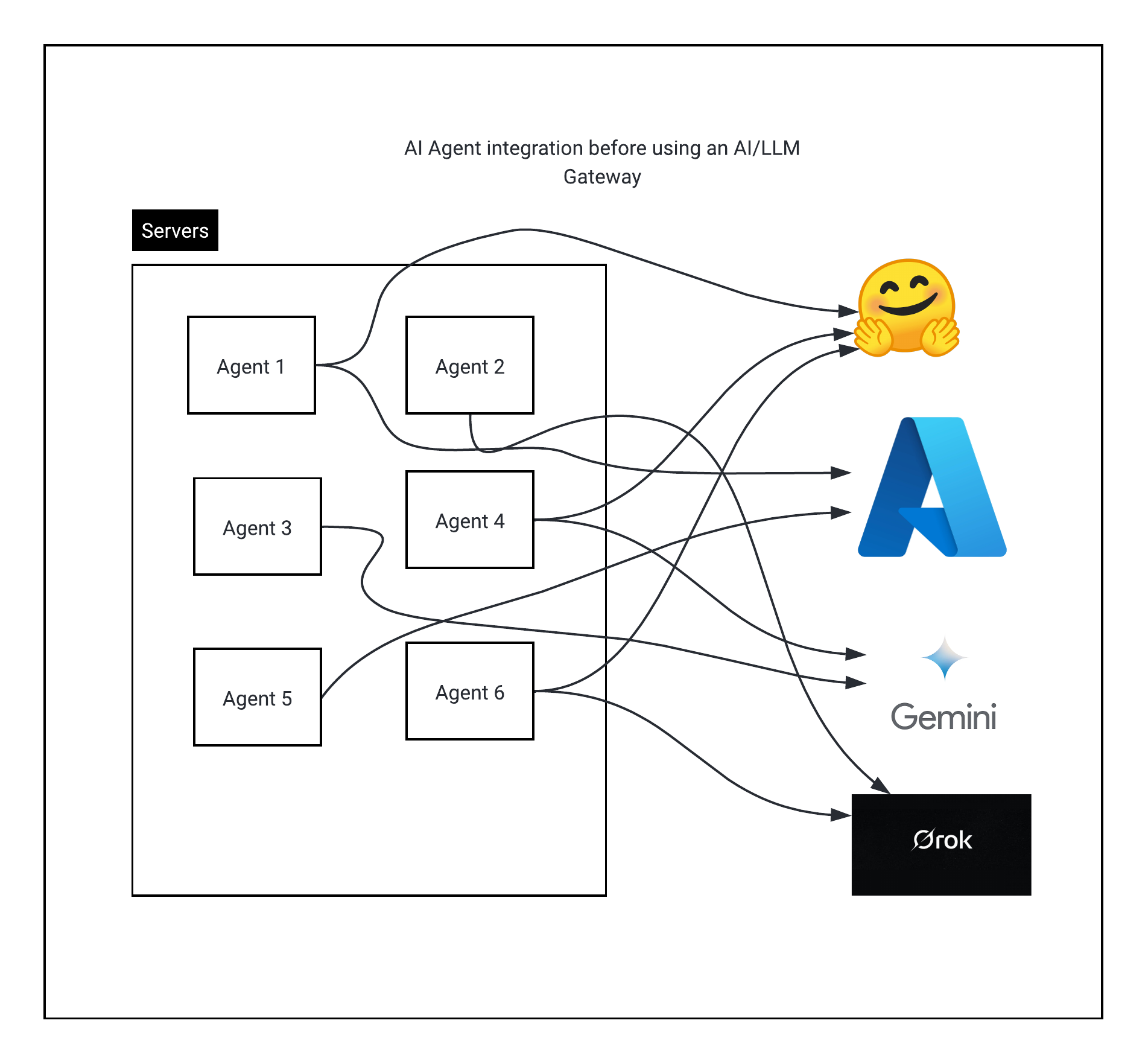
A central model gateway sits between your internal applications and the foundation model providers.
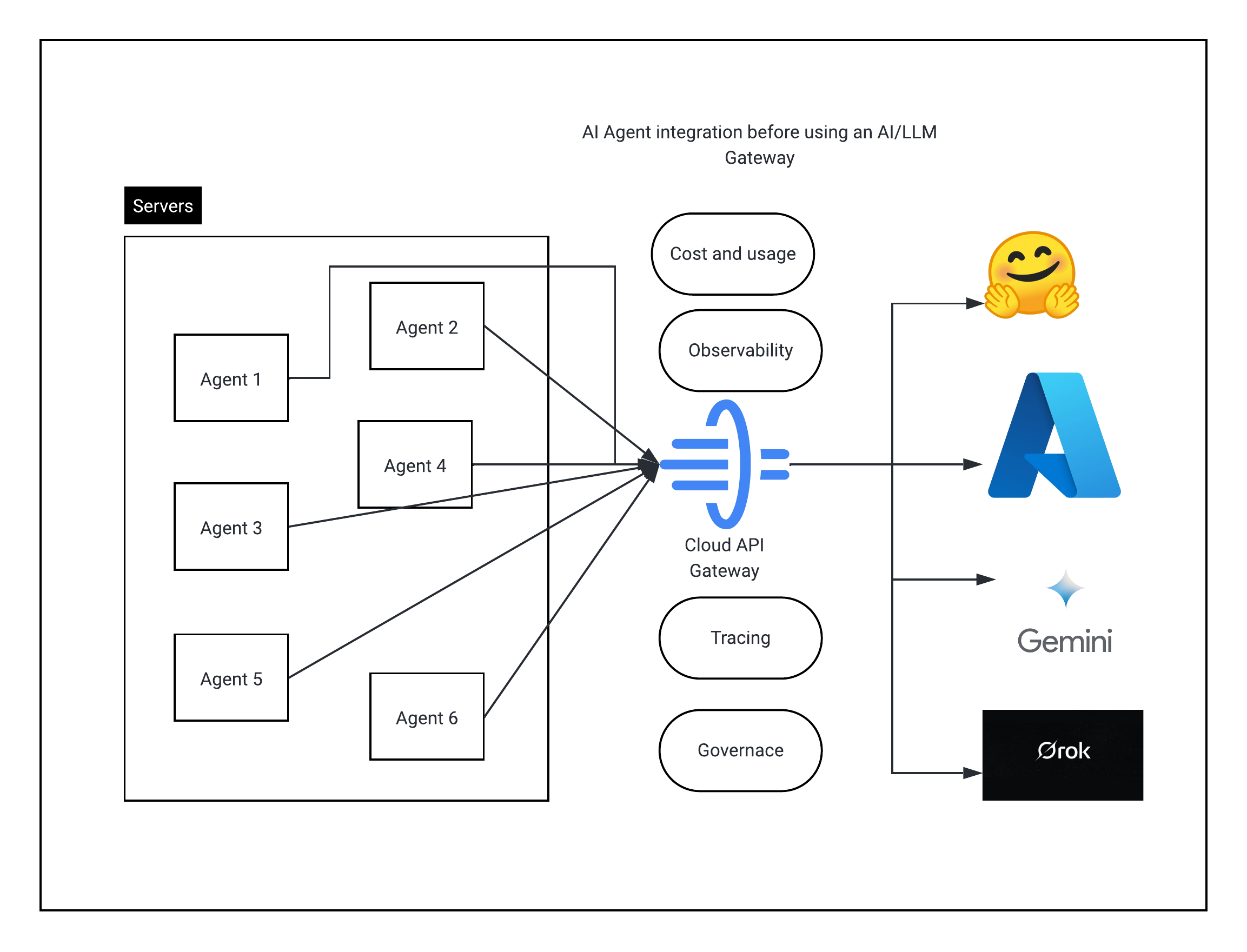
The gateway provides three vital capabilities:
- Intelligent Dynamic Routing: Applications request a capability (like
fast-reasoningorgeneral-completion). The gateway routes the request to healthy models and regions based on latency, rate limits, and cost. - Central Safety and Compliance Checks: Prompts pass through content safety filters and data loss prevention (DLP) checks before reaching external cloud endpoints.
- Usage, Cost, and Quota Accounting: Every request records prompt tokens, completion tokens, latency, and cost per tenant. This prevents unexpected bills and lets teams track usage accurately.
Module 2: Enterprise Tool Broker (Model Context Protocol)
Agents become truly useful when they interact with external tools and databases. But connecting agents directly to raw REST APIs creates security risks and high maintenance overhead.
Instead of writing bespoke tool integrations for every service, the platform uses a centralized tool broker:
- OpenAPI to Tool Translation: The broker ingests OpenAPI specifications from internal microservices. It converts those API definitions into clean tool schemas that models understand.
- Identity and Permission Delegation: When an agent invokes a tool, it uses delegated user credentials rather than service-level superuser keys. The broker checks user permissions before executing the API call.
- Context Pruning and Schema Dereferencing: Large enterprise APIs return verbose responses that can quickly exhaust model context windows. The broker strips irrelevant payload fields before returning output back to the model.
Module 3: Sandbox Execution Environment
Autonomous agents often write and execute code, parse unknown files, or run terminal commands. Running generated code inside your core infrastructure introduces severe security risks.
A scalable agent platform provides an isolated execution runtime:
- Micro-VM and Container Sandboxes: Each agent task runs inside an ephemeral, disposable container or lightweight micro-VM (such as Firecracker or gVisor).
- Network Egress Isolation: Sandboxes block access to internal private subnets, cloud metadata services (IMDS), and unauthorized external hosts. Agents can only call verified tool endpoints.
- Resource Constraints and Hard Timeouts: Tight CPU, memory, and wall-clock execution limits prevent rogue loops or runaway processes from consuming cluster resources. Once a task finishes, the sandbox is destroyed.
Module 4: Unified Observability and Telemetry
Traditional web monitoring tracks request latency and HTTP status codes. That is not enough for multi-step AI agents. An agent can return HTTP 200 while looping indefinitely or making bad tool calls.
The platform embeds continuous observability into every step:
- Multi-Step Trace Correlation: Every user prompt receives a root trace ID. Sub-steps, tool calls, model calls, and evaluation scores link back to that root trace using OpenTelemetry standards.
- Latency Segmentation: Telemetry isolates Time to First Token (TTFT) from Time Per Output Token (TPOT). This tells engineers whether latency comes from provider queueing or long model generations.
- Quality and Safety Feedback: Evaluation pipelines score sample runs against ground truth test sets. Teams catch regressions before updating system prompts or switching models.
Summary
A scalable agentic AI platform solves the hard, shared challenges once:
- The Gateway governs model routing, quotas, and failover.
- The Tool Broker controls tool access and security boundaries.
- The Sandbox isolates untrusted execution.
- The Telemetry Engine gives teams complete visibility into agent decisions.
With these four modules in place, product teams can build domain-specific agents quickly without rebuilding the platform foundations from scratch.